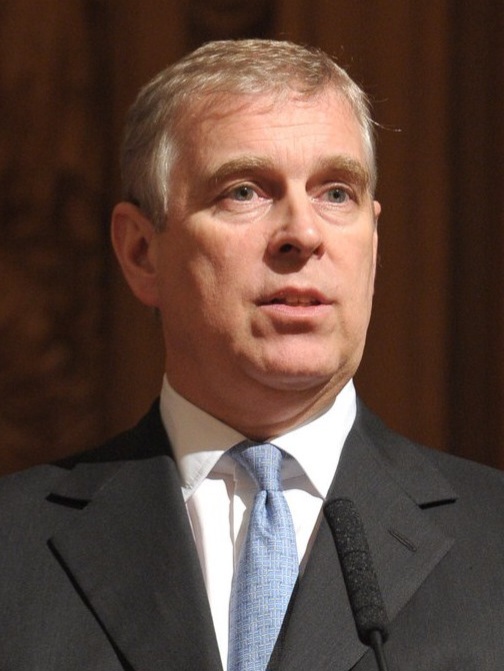
Prince Andrew's Royal Exit: A Definitive Move to Sandringham
The landscape of the British Royal Family has witnessed profound shifts in recent years, with few changes as dramatic and consequential as the repositioning of Prince Andrew, Duke of York. Stripped of his military titles and royal patronages by his brother, King Charles III, and facing relentless public scrutiny following the declassification of U.S. Department of Justice documents related to his association with Jeffrey Epstein, Andrew Mountbatten-Windsor's life has taken an undeniable turn away from the gilded cages of formal royal duty. This period of transition has culminated in a significant relocation, signaling not just a change of address, but a fundamental realignment of his existence within – and largely separate from – the royal fold.
As Prince Andrew embarks on this significantly altered chapter of his life, away from the immediate public glare and the opulent trappings of his former royal status, questions naturally arise about his future, including his financial arrangements. While public interest often extends to the net worth of prominent figures, it is crucial to distinguish that discussions around the andrew sachs net worth pertain to the late esteemed British actor Andrew Sachs, famed for his beloved role as Manuel in 'Fawlty Towers,' and are entirely separate from Prince Andrew's current adjustments and circumstances. This article focuses squarely on Prince Andrew Mountbatten-Windsor's new life at Sandringham, a move filled with both practical necessity and profound symbolism.
The Symbolic Departure from Royal Lodge
For two decades, Royal Lodge served as Prince Andrew's primary residence, a substantial property that underscored his position within the senior echelons of the monarchy. His departure from this 30-room estate, formally terminated by King Charles III, marks a poignant end to an era. The images of Andrew in the back seat of a Range Rover, accompanied by a mysterious woman and one of his seven dogs, en route to his new Sandringham abode, painted a vivid picture of a man in transition. The presence of his dog, a comforting constant amidst monumental change, highlighted the personal, almost intimate, nature of this move.
Perhaps the most revealing detail, however, lay in the labels on some of his private boxes: they bore the designation "HRH" (His Royal Highness). Despite the official stripping of his titles by the King, this small, defiant detail offers a fascinating glimpse into Andrew's internal world. It suggests a deeply ingrained sense of identity that, for him and his loyal inner circle, remains untouched by official decrees. This continued self-identification as "HRH" underscores the complex psychological aspect of his royal exit, highlighting a personal narrative that likely diverges from the public and institutional one. It points to a carefully curated private existence, supported by a household that remains steadfast, even as his public role has diminished to almost non-existence.
The move itself was not merely a logistical exercise but a powerful statement, enforced by the highest echelons of the Royal Family. It reflects a clear decision by King Charles III to further distance the institution from his younger brother's controversies, solidifying Andrew's status as a private citizen, albeit one still bound by familial ties and geographical proximity to royal estates. This shift is a practical adjustment, but also a symbolic severance, redefining Andrew's place in the modern monarchy.
Marsh Farm: A New, Secure Sandringham Sanctuary
While the transition from Royal Lodge has been decisive, the move to Sandringham has been a phased one, orchestrated with careful consideration for security and comfort. Initially residing at Wood Farm, a more modest property on the Sandringham Estate, Prince Andrew is ultimately destined for Marsh Farm. This property has undergone extensive renovations, transforming it into what is expected to be his most secure and permanent home.
The timeline for this final settlement is anticipated for April, following the completion of critical upgrades. These renovations are far from superficial; they focus heavily on creating a fortified sanctuary. Higher fences for enhanced privacy, a robust wooden perimeter for added security, and a comprehensive network of surveillance cameras are just some of the measures being implemented. These enhancements reflect a paramount concern for security, acknowledging both Prince Andrew's past associations and the continued intense public scrutiny he faces. Marsh Farm is being equipped to offer not just a home, but a fortress, ensuring his privacy and safety in his new, more secluded life.
Adding a touch of poignant continuity to his new beginnings, Andrew will be accompanied at Marsh Farm by the pets he inherited from his late mother, Queen Elizabeth II. These cherished companions offer a tangible link to his past and a source of comfort, grounding him in a personal routine amidst a life otherwise marked by profound change. The inclusion of these animals speaks to the deeply personal aspects of this transition, beyond the headlines and controversies.
For a deeper look into the practicalities and strategic importance of this new residence, you can read more about Inside Prince Andrew's Secure Marsh Farm Relocation.
Adjusting to a More Modest Grandeur and Staff Accommodations
The transition from a sprawling 30-room estate to a more contained five-room arrangement at Marsh Farm necessitates significant practical adjustments. While five rooms might still sound substantial to the average person, it represents a considerable downsize for someone accustomed to the expansive living of a senior royal. This shift undoubtedly requires a re-evaluation of personal space, possessions, and daily routines. The very necessity of additional space for privacy and staff accommodations speaks volumes about the enduring support structure Andrew maintains, even in his reduced capacity.
To facilitate the continued loyalty and access of his household staff, a large white mobile home has been installed at the back of the Marsh Farm garden. This pragmatic solution ensures that his staff have constant access to him while maintaining a necessary degree of separation from his private living quarters. This setup is indicative of a life that, despite its reduced footprint, still requires significant logistical support and a dedicated team to manage daily affairs. It's a blend of royal expectation and new reality, where solutions must be found to bridge the gap between his former life and his current circumstances.
The dichotomy between Andrew's private maintenance of his HRH designation and the stark reality of his downsized living arrangements is a compelling aspect of his post-royal reality. It highlights the internal struggle between personal identity and externally imposed status. This is a prince who, though formally stripped of his titles and privileges, still commands a certain level of deference and requires a specific lifestyle, even if that lifestyle is now contained within much smaller, albeit highly secure, walls. Explore further insights into this dynamic in Prince Andrew's Post-Royal Reality: HRH & Modest Home.
Conclusion
Prince Andrew's move to Sandringham, and specifically to the extensively renovated Marsh Farm, marks a definitive chapter in his royal exit. It signifies a life now largely separate from the public-facing duties and grand residences of the Royal Family, yet carefully structured around his personal needs, persistent security concerns, and the loyal household that continues to support him. The transition from Royal Lodge to a smaller, fortified home on the Sandringham Estate underscores King Charles III's firm hand in reshaping the monarchy and Andrew's acceptance of a more secluded, less prominent existence. While controversies may continue to linger, Marsh Farm offers Prince Andrew a private sanctuary, a place to navigate his altered reality, accompanied by his beloved pets and the lingering echoes of a former royal life, now redefined by security, solitude, and a more modest grandeur.
